

Environmental Stressors and Skin Appearance: What You Should Know
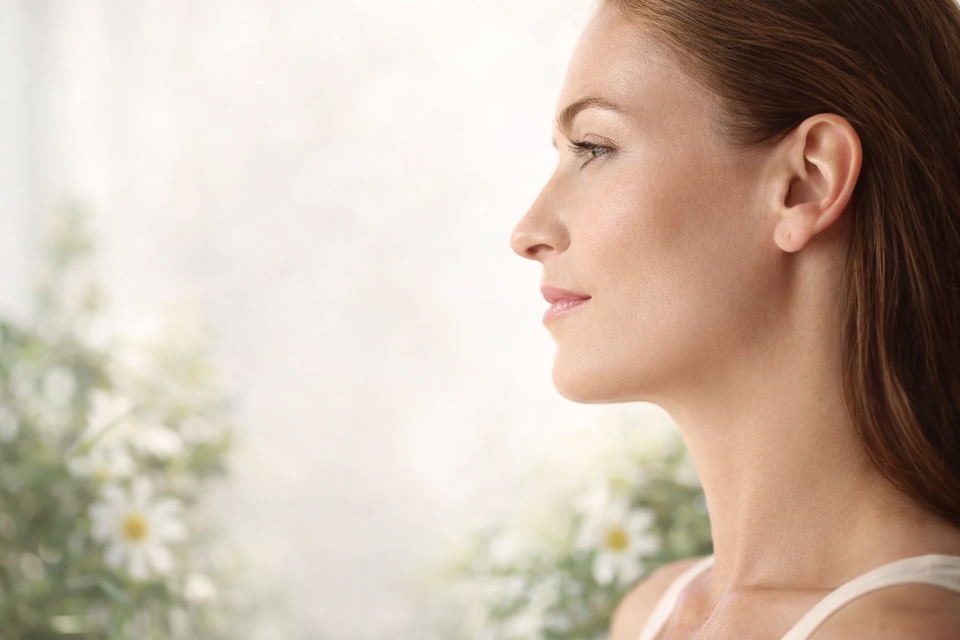
Your skin is constantly interacting with the world around you. From sunlight and shifting temperatures to urban environments and daily routines, external elements influence how your skin looks and feels over time. Understanding these interactions allows you to adopt a more intentional and balanced approach to skincare.
Continue Reading >
Continue Reading >
Environmental Exposure and Skin Balance: A Natural Perspective

The human body constantly seeks balance. From internal rhythms to external influences, harmony plays a central role in how we look and feel. One of the most discussed concepts in modern skincare is oxidative exposure — a natural process that occurs when the skin interacts with environmental elements such as sunlight, pollution, and daily lifestyle factors.
Continue Reading >
Continue Reading >
Emotional Stress and Skin Appearance: Understanding the Surface Connection

The skin is not isolated from daily life. It responds to changes in routine, sleep patterns, emotional tension, and overall lifestyle rhythm. While stress is a natural part of modern living, its visible influence on the skin often appears gradually and subtly.
Rather than viewing stress as something to fight, it can be helpful to understand how it influences skin appearance and how consistent care can support surface balance.
Continue Reading >
Rather than viewing stress as something to fight, it can be helpful to understand how it influences skin appearance and how consistent care can support surface balance.
Continue Reading >
Emotional Well-Being and Skin Appearance: Understanding the Connection

The skin often reflects more than environmental exposure. It can also mirror changes in mood, routine, and overall emotional rhythm. While the skin functions as a protective barrier, it is also highly responsive to internal balance.
Moments of joy, calm, tension, or fatigue may subtly influence how the complexion appears. Understanding this connection allows you to approach skincare with greater awareness and intention.
Continue Reading >
Moments of joy, calm, tension, or fatigue may subtly influence how the complexion appears. Understanding this connection allows you to approach skincare with greater awareness and intention.
Continue Reading >
Skincare After 40: Understanding Visible Changes and Adapting Naturally

With time, the skin evolves. After the age of 40, many people begin to notice visible shifts in texture, firmness, and overall radiance. These changes are not signs of decline, but part of a natural transition that reflects experience and maturity.
Approaching this stage with awareness allows you to adapt your routine thoughtfully, focusing on nourishment, hydration, and consistent care.
Continue Reading >
Approaching this stage with awareness allows you to adapt your routine thoughtfully, focusing on nourishment, hydration, and consistent care.
Continue Reading >
Does Your Skin Need a Reset? Recognizing Signs of Surface Imbalance
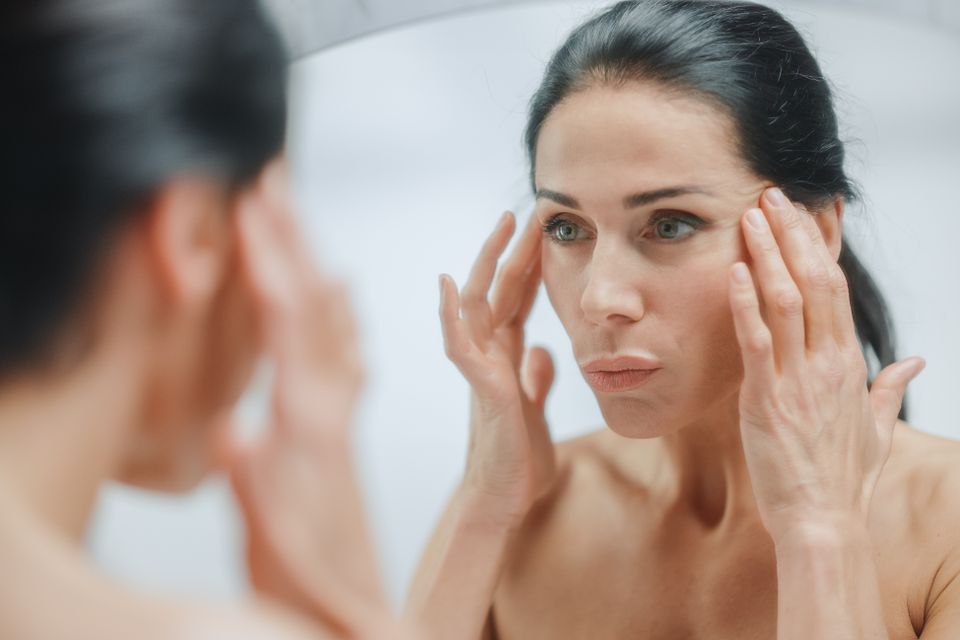
In skincare conversations, the word “detox” is often used loosely. Rather than focusing on trends, it can be more helpful to observe when the skin appears overloaded or out of balance.
The complexion occasionally benefits from simplification — not aggressive correction, but thoughtful recalibration. Recognizing subtle signs of surface imbalance allows you to respond with gentler and more intentional care.
Continue Reading >
The complexion occasionally benefits from simplification — not aggressive correction, but thoughtful recalibration. Recognizing subtle signs of surface imbalance allows you to respond with gentler and more intentional care.
Continue Reading >
Natural Skincare Myths: Clarifying Common Misunderstandings
As natural skincare continues to grow in popularity, so does the amount of information surrounding it. While many conversations are well intentioned, certain ideas become repeated so often that they are accepted as facts without deeper understanding.
Clarifying these common misunderstandings allows for a more balanced and informed approach to botanical skincare.
Continue Reading >
Clarifying these common misunderstandings allows for a more balanced and informed approach to botanical skincare.
Continue Reading >
Sensitive Skin: A Gentle Approach to Surface Comfort
Sensitive skin requires a calm and intentional approach. Some complexions respond more quickly to environmental changes, product variations, or seasonal shifts. When the skin feels easily reactive, it benefits from simplicity rather than intensity.
Instead of viewing sensitivity as a flaw, it can be understood as a sign that the skin prefers steadiness, balance, and carefully chosen formulations.
Continue Reading >
Instead of viewing sensitivity as a flaw, it can be understood as a sign that the skin prefers steadiness, balance, and carefully chosen formulations.
Continue Reading >
Fine Lines and Wrinkles: Understanding the Visible Difference
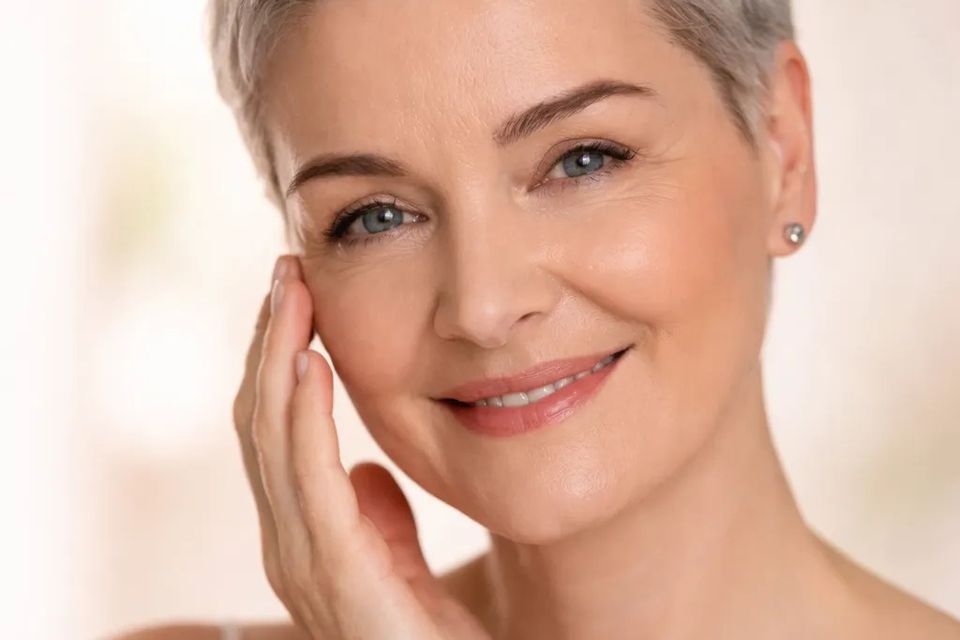
As the skin evolves over time, subtle changes begin to appear. Among the most common are fine lines and wrinkles. Although they are often mentioned together, they are not exactly the same. Understanding their visible differences allows for a more realistic and balanced approach to skincare.
Continue Reading >
Continue Reading >
Hydration: The Foundation of a Luminous Complexion
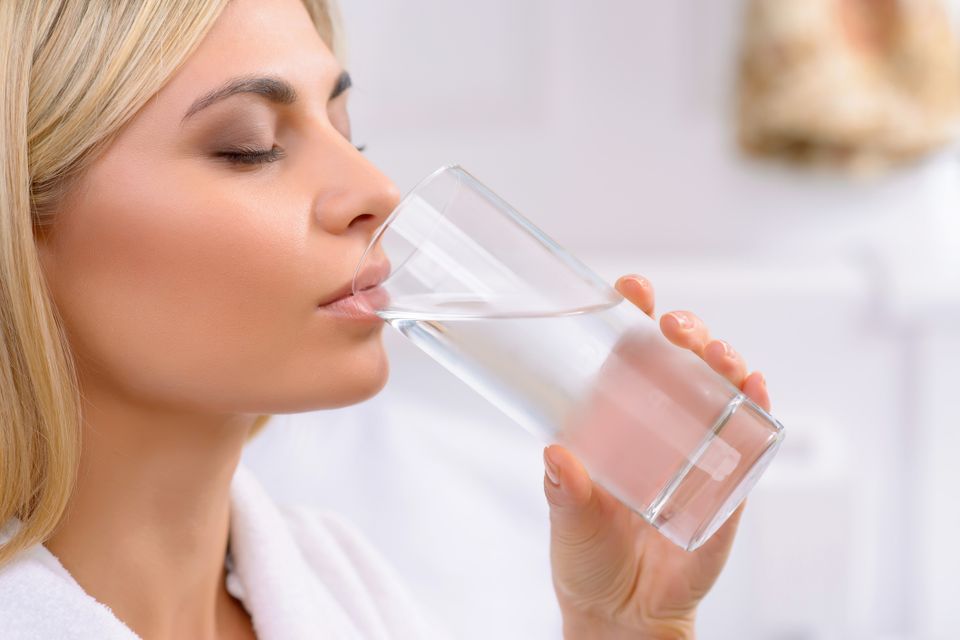
In skincare, hydration is not simply one more step in a routine. It is the base that supports how the skin looks and feels each day. When the complexion maintains adequate moisture, it often appears smoother, more refined, and naturally radiant.
Rather than focusing on quick results, hydration supports consistency and visible balance over time.
Continue Reading >
Rather than focusing on quick results, hydration supports consistency and visible balance over time.
Continue Reading >
The Connection Between Internal Balance and Skin Appearance

Skincare is often associated with what we apply externally. However, the appearance of the skin can also reflect internal habits and daily balance. When internal rhythm is supported, the complexion often appears more even, luminous, and comfortable.
Rather than focusing on quick changes, this perspective encourages consistency and visible balance over time.
Continue Reading >
Rather than focusing on quick changes, this perspective encourages consistency and visible balance over time.
Continue Reading >
Menopause and Skin Changes: A Gentle Approach to Visible Balance
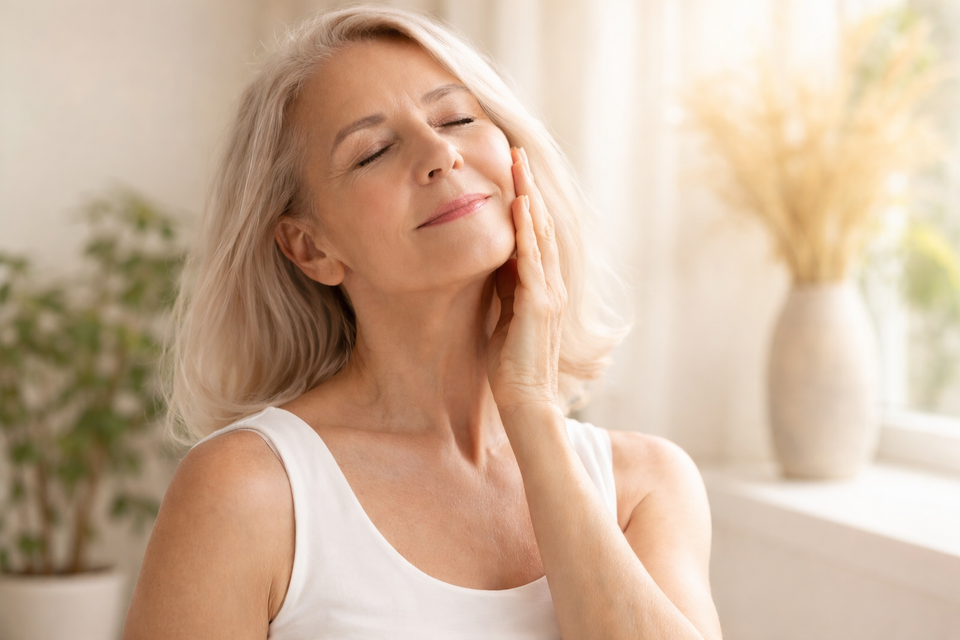
Menopause marks a natural transition in a woman’s life. During this stage, hormonal shifts—especially the gradual reduction of estrogen—can influence how the skin looks and feels. These changes are not flaws, but natural evolutions that call for thoughtful care and supportive routines.
Understanding these visible shifts allows us to approach skincare with greater awareness and respect.
Continue Reading >
Understanding these visible shifts allows us to approach skincare with greater awareness and respect.
Continue Reading >
Understanding Surface Irregularities Without Overcorrecting

Not every change in skin texture requires aggressive correction. Small bumps, visible pores, temporary roughness, or uneven areas are often part of the skin’s natural rhythm.
In a world that promotes constant “fixing,” it is easy to overreact to minor surface changes. However, many irregularities are temporary and respond better to consistency than intensity.
Continue Reading >
Understanding Moisture-Prone Skin and Surface Imbalances

The skin naturally hosts a delicate ecosystem of microorganisms that coexist in balance. When environmental conditions shift, particularly in warm and humid areas, the surface can become more vulnerable to imbalance.
These changes are not uncommon and often relate to moisture retention, friction, or barrier disruption rather than a serious underlying issue.
Continue Reading >
These changes are not uncommon and often relate to moisture retention, friction, or barrier disruption rather than a serious underlying issue.
Continue Reading >
Are Parabens Safe in Skincare? What You Should Know About Cosmetic Preservatives
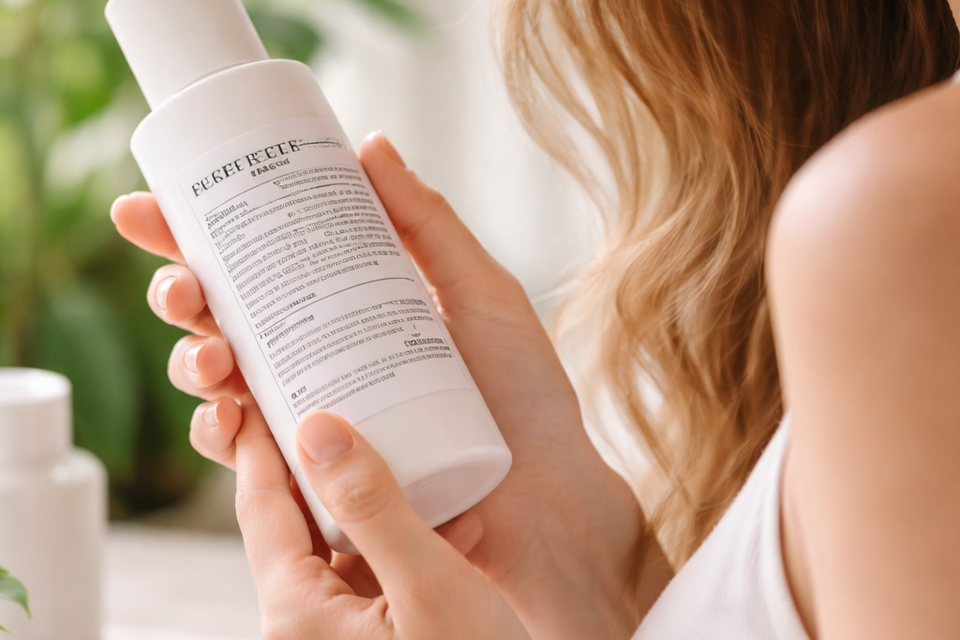
Parabens are synthetic preservatives commonly used in cosmetics and personal care products to help prevent the growth of bacteria, yeast, and mold. Their primary function is to maintain product stability and extend shelf life.
They are derived from para-hydroxybenzoic acid and are typically used in small concentrations in creams, lotions, shampoos, and cleansers.
Continue Reading >
They are derived from para-hydroxybenzoic acid and are typically used in small concentrations in creams, lotions, shampoos, and cleansers.
Continue Reading >
How Excess Sugar Intake Can Affect Skin Appearance

Over the past decades, sugar consumption has increased significantly. Carbonated beverages, processed foods, refined carbohydrates, and packaged snacks have become part of daily routines for many people.
While occasional sugar intake is common in modern lifestyles, excessive and prolonged consumption may influence different systems in the body, including the appearance of the skin.
Continue Reading >
While occasional sugar intake is common in modern lifestyles, excessive and prolonged consumption may influence different systems in the body, including the appearance of the skin.
Continue Reading >
How Antioxidants and Healthy Fats Support Radiant Skin

Cellular balance plays an important role in how our skin looks and feels. Daily habits, nutrition, and environmental exposure all influence the way our skin ages and maintains its natural vitality.
Supporting the body with antioxidant-rich foods and essential fatty acids may contribute to a healthier-looking complexion over time.
Continue Reading >
How Sugar and Glycation Affect Skin Firmness and Appearance

Excess sugar intake does not only influence internal balance. Over time, it may also impact how the skin looks and feels.
One of the processes associated with high sugar levels is known as glycation. This natural chemical reaction occurs when sugar molecules bind to proteins in the body.
Continue Reading >
One of the processes associated with high sugar levels is known as glycation. This natural chemical reaction occurs when sugar molecules bind to proteins in the body.
Continue Reading >
Why Do Dark Spots Appear on the Skin?

Dark spots, also known as areas of hyperpigmentation, are common skin changes that develop when melanin production becomes uneven.
Melanin is the natural pigment responsible for skin color. When certain areas produce more melanin than others, the skin may appear darker in specific spots.
Continue Reading >
Melanin is the natural pigment responsible for skin color. When certain areas produce more melanin than others, the skin may appear darker in specific spots.
Continue Reading >
What Causes Acne and How to Support Clear-Looking Skin Naturally
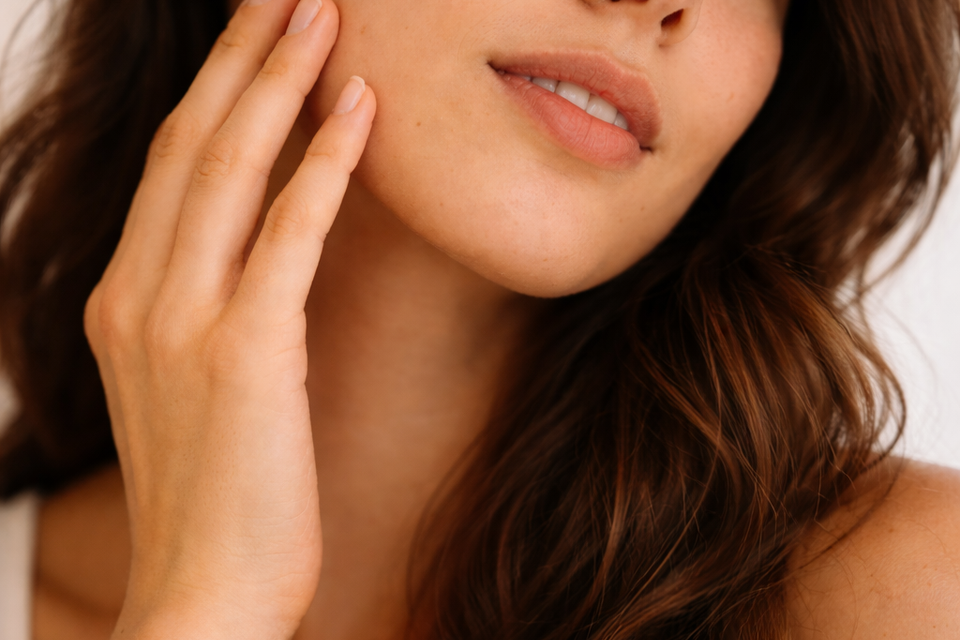
Acne is a common skin condition that develops when hair follicles become clogged with excess oil and dead skin cells.
It can appear in different forms, ranging from small bumps to more visible breakouts. While it is often associated with adolescence, acne may occur at various stages of life.
Continue Reading >
Understanding Rough, Sun-Exposed Skin Over Time

Over time, repeated sun exposure can gradually change the texture and appearance of the skin. What may begin as subtle dryness can evolve into rough, uneven areas that feel slightly raised or coarse to the touch.
These changes most often appear on parts of the body that receive consistent sunlight, such as the face, scalp, ears, forearms, and the back of the hands. The skin may feel similar to fine sandpaper, appear slightly darker or reddish, or seem persistently dry despite regular moisturizing.
Continue Reading >
Understanding Persistent Facial Redness and Sensitive Skin
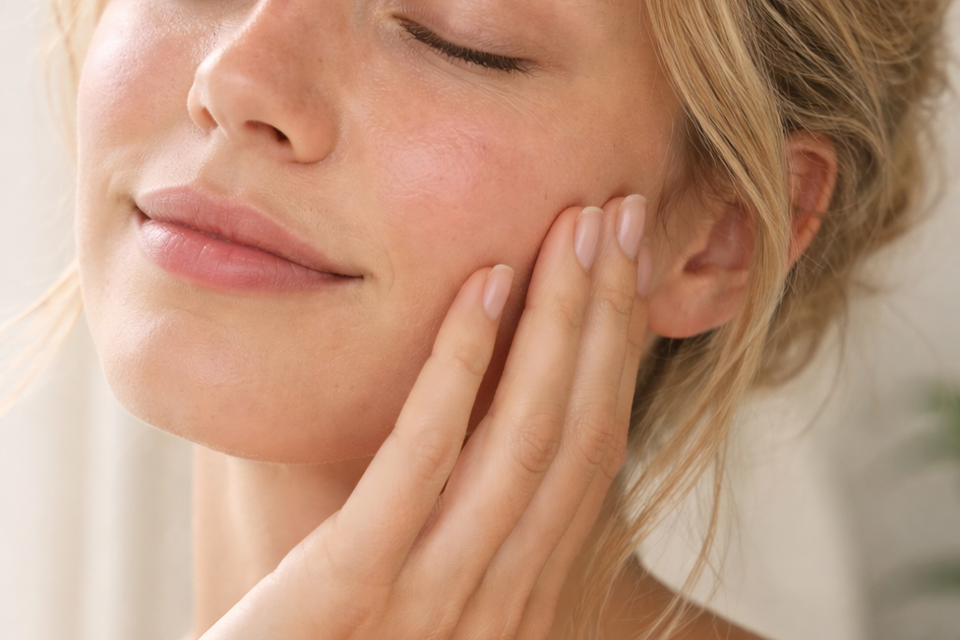
Facial redness is one of the most common skin concerns, especially in individuals with delicate or reactive skin. It may appear as flushing on the cheeks, visible small veins, or areas that look inflamed after exposure to certain triggers.
For many people, redness is not constant but tends to flare under specific conditions. Learning to identify those triggers is often the first step toward restoring balance.
Continue Reading >
Understanding Uneven Skin Tone and Visible Light Patches

Skin tone is naturally diverse and unique. However, some individuals may notice areas of skin that appear lighter than the surrounding tone. These visible light patches can develop gradually and may vary in size or location.
While changes in pigmentation can feel unexpected, they are simply variations in how the skin expresses color. Understanding these changes helps promote awareness, protection, and supportive daily care.
Continue Reading >
Understanding Small Red Spots on the Skin
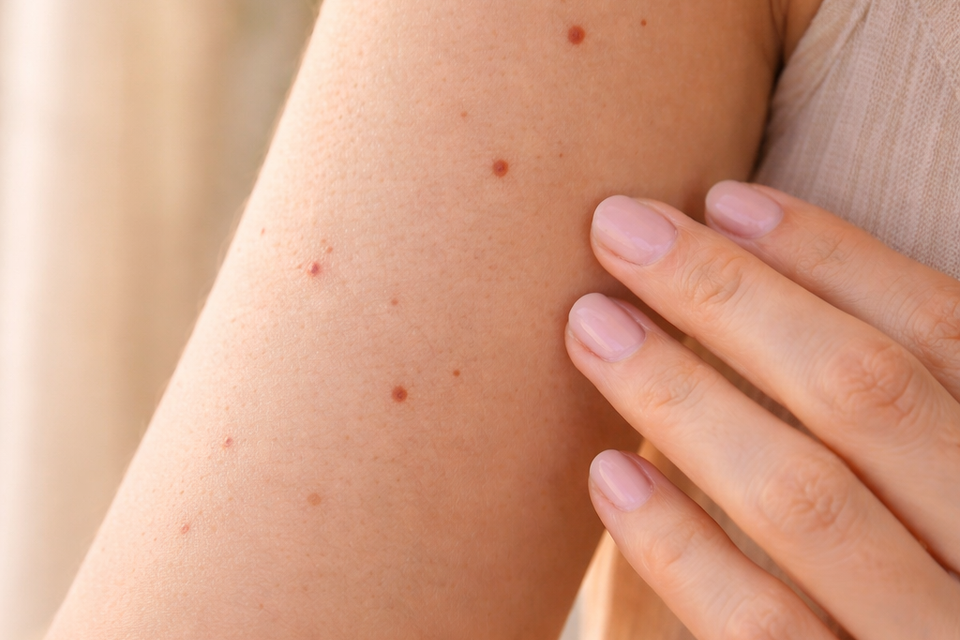
At some point, many people notice small red spots appearing on the skin. These tiny, round marks may show up on the arms, torso, or other areas and often remain unchanged for long periods of time.
In most cases, they are simply visible variations in the skin’s surface and tone. Skin naturally changes over time, and minor color variations are part of that process.
Understanding what is normal for your skin helps you stay observant without becoming alarmed.
Continue Reading >
Understanding Stretch Marks and Supporting Skin Elasticity

Stretch marks are natural lines that can appear when the skin expands or changes over a relatively short period of time. They are commonly seen on areas such as the abdomen, thighs, hips, chest, or upper arms.
They may begin as pink, red, or deeper-toned streaks and gradually soften in color over time. These visible lines are extremely common and are considered a natural variation of the skin.
Rather than viewing them as flaws, it is helpful to understand how the skin adapts during periods of growth and change.
Continue Reading >
They may begin as pink, red, or deeper-toned streaks and gradually soften in color over time. These visible lines are extremely common and are considered a natural variation of the skin.
Rather than viewing them as flaws, it is helpful to understand how the skin adapts during periods of growth and change.
Continue Reading >
How Food Choices Influence Skin Balance

What we eat plays an important role in how our skin looks and feels. The skin is often a reflection of internal balance, and certain dietary patterns may influence how calm or reactive it appears.
Rather than focusing on restriction, it is more helpful to understand how nourishment supports overall skin resilience.
Continue Reading >
Can Your Mindset Influence Your Skin?

The way we think and feel doesn’t stay only in the mind. Our emotional state can subtly influence how our skin looks and feels over time.
While skincare routines and nutrition are essential, emotional balance also plays a quiet but meaningful role in overall skin vitality.
Continue Reading >
8 Reasons Your Skin May Feel Irritated

Skin discomfort can show up in many ways — redness, tightness, sensitivity, or an overall feeling of imbalance. These reactions are common and often connected to everyday habits or environmental factors.
Understanding possible triggers can help you respond with gentler care.
Continue Reading >
Is Your Skin Dry or Dehydrated?

It’s common to describe uncomfortable skin as “dry,” but dryness and dehydration are not exactly the same.
Although both may cause tightness, dullness, or flaking, the difference lies in what the skin is lacking.
Understanding this distinction can help you respond with the right type of care.
Continue Reading >
6 Foundational Habits For Naturally Healthier Skin
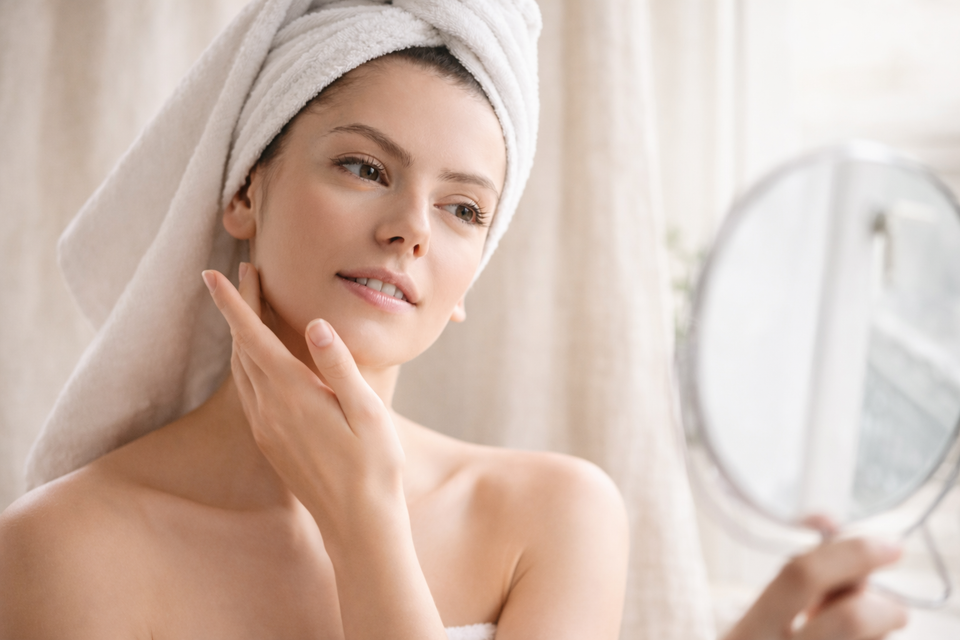
When we think about skincare, we often focus on products. But truly healthy skin begins long before a cream touches your face.
Your skin is a living barrier that responds daily to your lifestyle, your environment, and the way you care for it. Strengthening it naturally doesn’t require complicated routines — it requires consistency and intention.
Here are six foundational habits that support resilient, balanced skin in a gentle, sustainable way.
Continue Reading >
Your skin is a living barrier that responds daily to your lifestyle, your environment, and the way you care for it. Strengthening it naturally doesn’t require complicated routines — it requires consistency and intention.
Here are six foundational habits that support resilient, balanced skin in a gentle, sustainable way.
Continue Reading >
Understanding Free Radicals and Their Impact on Skin Health

If you have ever explored skincare, you have likely encountered the term free radicals. These molecules are naturally present in the body and play a role in normal biological processes. However, when they accumulate in excess, they may influence how the skin looks and feels over time.
Understanding how free radicals form and how the skin responds to them can help you approach skincare with greater awareness and balance.
Continue Reading >
Understanding how free radicals form and how the skin responds to them can help you approach skincare with greater awareness and balance.
Continue Reading >
Hard Water vs Soft Water: Understanding How They Influence Your Skin

Water is part of our daily skincare routine, whether we think about it or not. We use it to cleanse, rinse, and refresh the skin. However, not all water is the same. The mineral content in water can influence how your skin feels after washing.
Understanding the difference between hard water and soft water can help explain certain changes in skin comfort and hydration.
Continue Reading >
Understanding the difference between hard water and soft water can help explain certain changes in skin comfort and hydration.
Continue Reading >
Does Physical Exercise Support Skin Health

Physical activity is often associated with energy, strength, and overall wellness. What is sometimes overlooked is how movement may also influence the appearance and vitality of the skin.
Skin reflects many internal processes. Because circulation, oxygenation, and stress levels influence overall balance in the body, regular movement may indirectly support skin health.
Continue Reading >
Should You Use Sunscreen?

Sun exposure is part of everyday life. From short walks outdoors to extended time at the beach, our skin is constantly interacting with sunlight. While sunlight supports overall well-being, excessive exposure without protection can affect the skin’s appearance over time.
Understanding how ultraviolet radiation interacts with the skin helps us make more conscious skincare decisions.
Continue Reading >
How To Care For Different Skin Types
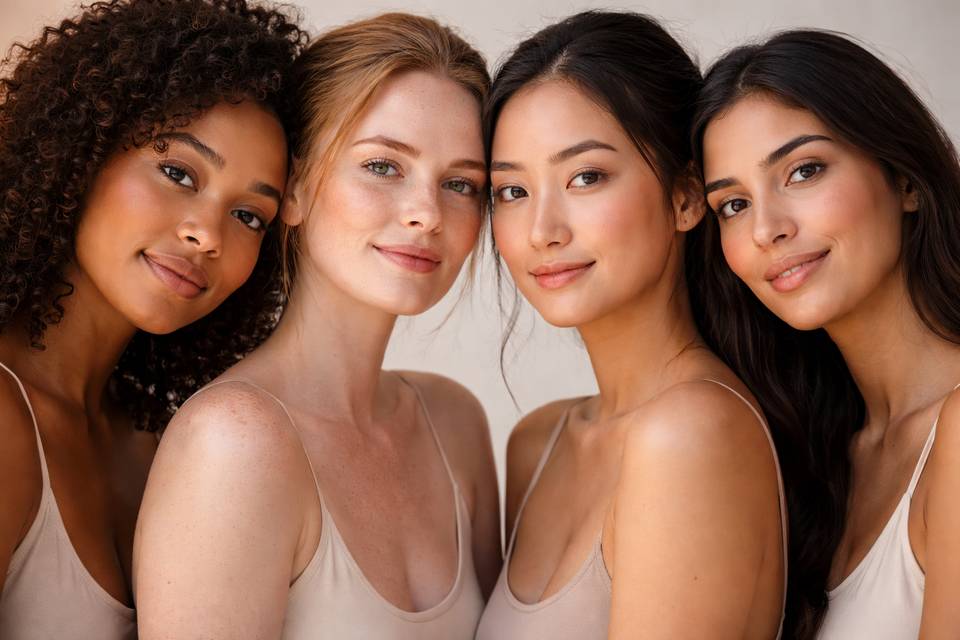
When it comes to skincare, products are only part of the equation. Understanding your skin type is the foundation of building a routine that supports balance, comfort, and long-term skin health.
While every person’s skin is unique, most skin types fall into four general categories: normal, dry, oily, and combination. Recognizing the characteristics of each can help guide more intentional care.
Continue Reading >
What Happens to Our Skin as We Age?
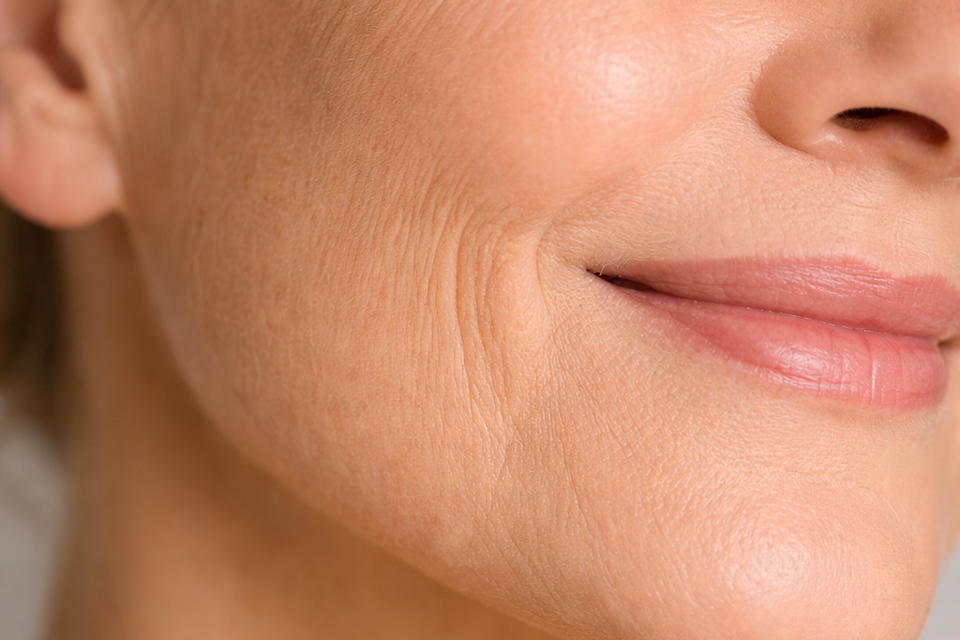
Aging is a natural biological process that affects every organ in the body — including the skin. While we often associate aging with wrinkles and fine lines, the visible changes are only part of a deeper transformation happening beneath the surface.
Understanding how the skin evolves over time allows us to care for it more intentionally and with greater respect for its changing needs.
Continue Reading >
Why Is Good Nutrition Important for Skin?

When we think about skincare, we often focus on what we apply externally. Yet the skin, like every organ in the body, is influenced by what we consume daily. Nutrition plays a foundational role in how the skin looks, feels, and functions over time.
Healthy skin is not only supported by products — it is also influenced by hydration, nutrient intake, and overall balance.
Continue Reading >
How Stress Affects Our Skin

Stress is a natural response. It helps the body react to challenges and stay alert when needed. However, when stress becomes frequent or prolonged, it can influence more than just mood and energy levels — it can also affect the skin.
The skin and the nervous system are closely connected. When the body feels overwhelmed, that internal tension may gradually show externally.
Continue Reading >