
Hard Water vs Soft Water: Understanding How They Influence Your Skin
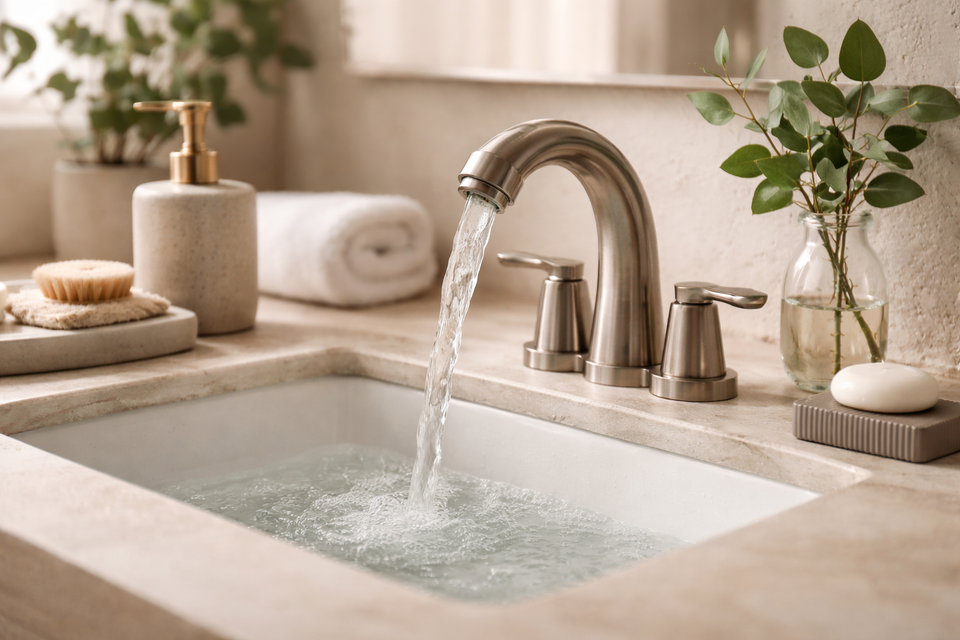
Water is part of our daily skincare routine, whether we think about it or not. We use it to cleanse, rinse, and refresh the skin. However, not all water is the same. The mineral content in water can influence how your skin feels after washing.
Understanding the difference between hard water and soft water can help explain certain changes in skin comfort and hydration.
What Is Hard Water and Soft Water
Water hardness depends on the amount of dissolved minerals it contains.
Hard water contains higher levels of minerals such as calcium and magnesium. These minerals occur naturally as water moves through soil and rock.
Soft water contains little to no mineral concentration. Rainwater is naturally soft, and some households use filtration systems to reduce mineral content.
While both types of water are safe for daily use, their mineral composition may influence how skin responds over time.
How Hard Water Interacts with Soap
Soap works by binding to oil and impurities on the skin so they can be rinsed away with water.
When soap comes into contact with hard water, the minerals may interact with soap molecules, making it more difficult to produce a rich lather. This interaction can leave behind a light residue on the skin surface.
As a result, skin may feel:
• Slightly dry
• Tight after showering
• Less smooth to the touch
Some people also notice that their soap seems to wear down more quickly in hard water conditions.
How Water Hardness May Influence Skin Comfort
Mineral residue from hard water can remain on the skin after rinsing. For some individuals, this may contribute to:
• Temporary dryness
• A tight sensation
• Reduced feeling of hydration
Soft water, on the other hand, allows soap to lather more easily and rinse more completely. Many people report that their skin feels smoother and more hydrated when using softer water.
However, skin response varies depending on individual sensitivity and overall skincare habits.
Signs You May Have Hard Water
You may suspect hard water if:
• Skin feels tight or dry after showering
• Soap produces minimal lather
• A light film seems to remain on the skin
• Faucets or showerheads show mineral buildup
If needed, water filtration systems can help reduce mineral concentration in certain households.
Supporting Your Skin Regardless of Water Type
Even if you cannot change your water source, you can support your skin with simple habits:
• Use gentle cleansers
• Avoid over-washing
• Apply moisturizer while skin is slightly damp
• Maintain consistent hydration
Healthy skin balance depends on many factors, and water composition is just one of them. Awareness allows you to adjust your routine in ways that promote comfort and long-term skin resilience. Explore Our Gentle Botanical Skincare