
Are Parabens Safe in Skincare? What You Should Know About Cosmetic Preservatives
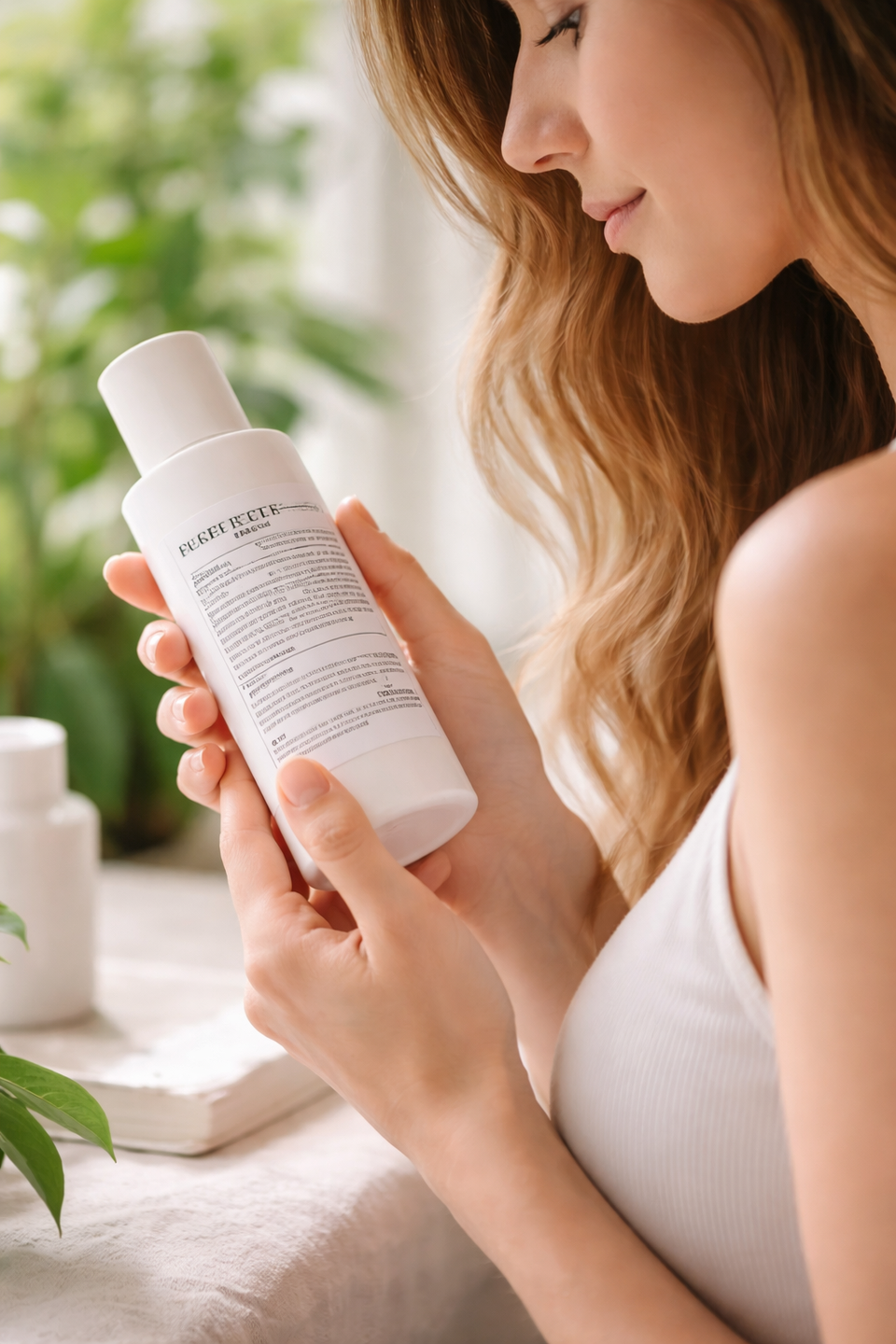
Parabens are synthetic preservatives commonly used in cosmetics and personal care products to help prevent the growth of bacteria, yeast, and mold. Their primary function is to maintain product stability and extend shelf life.
They are derived from para-hydroxybenzoic acid and are typically used in small concentrations in creams, lotions, shampoos, and cleansers.
Common Types of Parabens Found in Skincare
You may see names such as methylparaben, propylparaben, butylparaben, and ethylparaben listed on ingredient labels. These ingredients are usually included in low percentages as part of a broader preservation system designed to maintain product freshness.
Why Are Parabens Frequently Discussed?
have become a topic of conversation due to increased consumer interest in ingredient transparency and long-term exposure to synthetic compounds.
Some laboratory research has examined how parabens interact with hormone receptors. While approved cosmetic concentrations are considered safe by regulatory authorities, this research has led many consumers to explore alternative preservation systems.
Individuals with highly reactive or delicate skin often prefer simplified formulations with fewer synthetic additives. Although parabens are not classified as high-irritation ingredients, some consumers choose to avoid them as a precaution.
Because rinse-off products enter wastewater systems, certain preservatives, including parabens, have raised environmental questions. This has influenced the development of alternative preservation approaches in modern skincare formulations.
Are Parabens Allowed in Cosmetics?
Yes. Regulatory authorities permit the use of parabens within defined safety limits. However, consumer preferences have evolved, and many brands now offer paraben-free alternatives.
Understanding cosmetic ingredient labels allows you to make informed decisions aligned with your skin type and personal values. Explore Our Gentle Botanical Skincare